As a foodie myself, it shocks me everyday, as I learn that my cherished comfort foods contain toxic chemicals and food additives. Contrary to my initial belief that only certain notorious food items like Crumbl Cookies to have such toxins, it turns out, so many of the daily snacks I eat everyday are full of additives that pose serious health threats. Especially in the States, where regulations for food additives are much laxer than countries in Europe and East Asia, it concerns me how easily accessible and prevalent these food additives are. As a precaution to myself and my readers, here are a list of food additives that you should look out for in your food, so that the next time you go grocery shopping, you could think twice before purchasing your favorite treats.
BHA and BHT
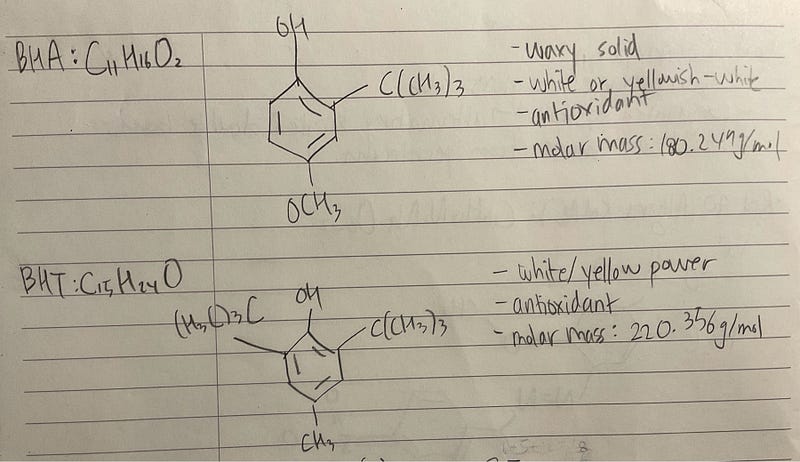
Did you know your favorite cereals like Frosted Flakes are banned in Japan? Big cereal companies like Kellogg and General Mills have faced controversy using BHA and BHT in our favorite breakfast meal. These antioxidants are used to prevent rancidification, the process in which the fats in the food are oxidated. In other words, the synthetic preservatives help keep your food retain its color, smell, and flavor [1].
Through animal experiments, some experts report that BHA and BHT can cause significant harm to our reproductive and circulatory systems. Long-term exposure has been correlated to incidences of malformations of reproductive organs, disruptions in hormone receptor functions, and various kinds of cancer. [2][3][4]
Sodium Nitrite and Sodium Nitrate
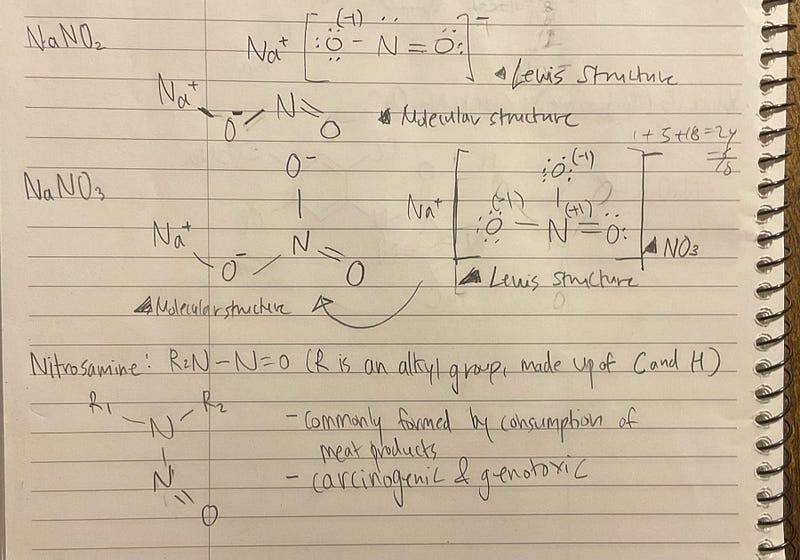
Sodium nitrite and nitrate are additives in processed and cured meat that preserves meat products such as bacons, sausages, hot dogs, and hams, as well as make them look red and taste salty.
Reacting with amines from our digestive system, nitrites and nitrates can create a toxic chemical called nitrosamines [5]. Exposure to significant amounts of nitrosamine heightens risks of cancer and DNA damage [6].
Artificial Food Colorings

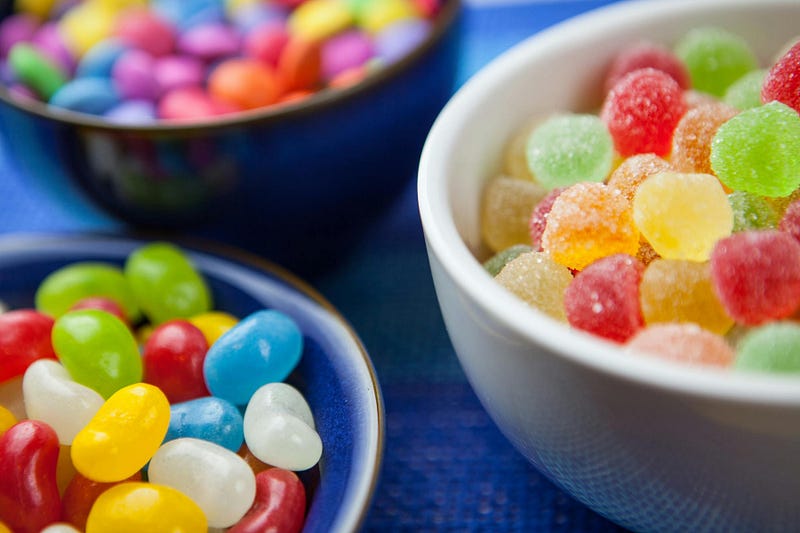
Candies, beverages, and baked goods with vibrant colors contain artificial food colorings. These synthetic dyes are cost-efficient for manufacturers and make food products visually appealing, never failing to catch your eye when you go grocery shopping. Although FDA allows the usage of a handful of these chemicals, research has raised concern over its detrimental impact on children. Studies have found that artificial food colorings aggravate behavioral difficulties in children, associated with symptoms such as hyperactivity, restlessness, and aggression [7]. The European Union, acknowledging the potential health risks, requires products containing specific food colorings to be sold with warning labels for customers [8]. Next time you see names like Red 40, Yellow 5, and Yellow 6 on your favorite treats, try taking a few steps back from the colorful snack aisle.
Conclusion
It greatly concerns me how the nutritious, healthy, and organic foods are much more expensive than the processed, artificially flavored junk foods here in the U.S.
Many food additives need further research to clearly prove its impacts on human health. But before it’s too late, we should work to protect ourselves and prevent potential health issues by knowing what’s in our food and continuously investigating how it came to be.
Sources
[2] https://pubmed.ncbi.nlm.nih.gov/3757972/
[3] https://pmc.ncbi.nlm.nih.gov/articles/PMC4462476/
[4] https://www.safecosmetics.org/chemicals/butylated-compounds/
[6] https://www.efsa.europa.eu/en/news/nitrosamines-food-raise-health-concern
[7] https://www.cspinet.org/sites/default/files/attachment/Dyes_Fact_sheet_School_Foods_3.8.2021.pdf
 Scientific Narrative
Leave a comment