Follow us on Instagram @scientificnarrative!
We often associate symmetry as a form of beauty, its stable, predictable, and balanced nature having been a quality of wonder and awe since the ancient times. Recently, I watched an episode of Jojo’s Bizarre Adventure where an antagonist named J. Geil had two right hands instead of one, and it made me question, why do most animals have left and right sides? From the outside, most animals, even plants seemed to show some sort of symmetry in our natural forms. In this article, I investigate symmetry in nature with my friends Reya Satam and Ura Shi. Check out our podcast Scientific Narrative and Reya’s podcast Defying Infinity on Spotify!
Four Types of External Symmetry in Animals
Unlike the exact definition in mathematics, symmetry in biology is approximate. Most animals display some sort of external symmetry, with the exception of sponges and amoeboid protozoans, falling under the four categories of symmetry.
https://www.britannica.com/science/symmetry-biology
https://www.math.brown.edu/tbanchof/Yale/project04/bio.html
Spherical Symmetry
- Animals with spherical symmetry have bodies that are concentrically arranged around the center. Only the tiniest animals with simple internal structures, such as specific kinds of single-celled eukaryotic protozoans, demonstrate these symmetry. It’s because the surface area to volume ratio is relatively small in spheres, making an inefficient construction for organisms that are large in size and have higher complexity.
Radial Symmetry
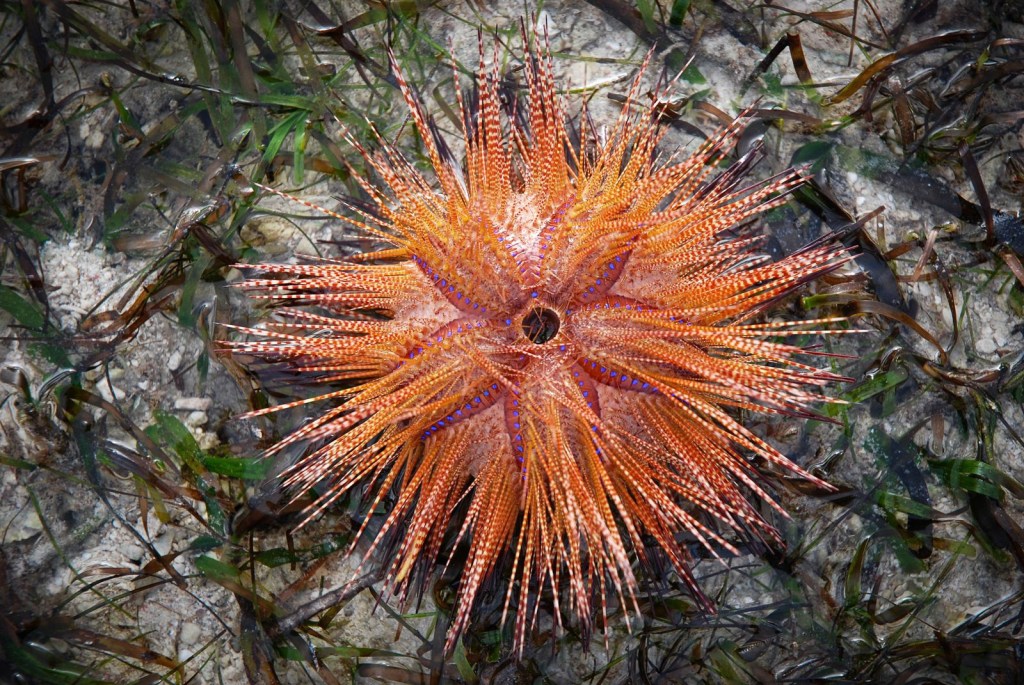
- Radial symmetry is found in animals such as jellyfish, sea anemones, coral, sea urchins, sea stars. Has central axis called anteroposterior axis, where body parts radiate, or coil around, in a regular pattern. Any plane through the body will divide the animal in half.
Biradial Symmetry
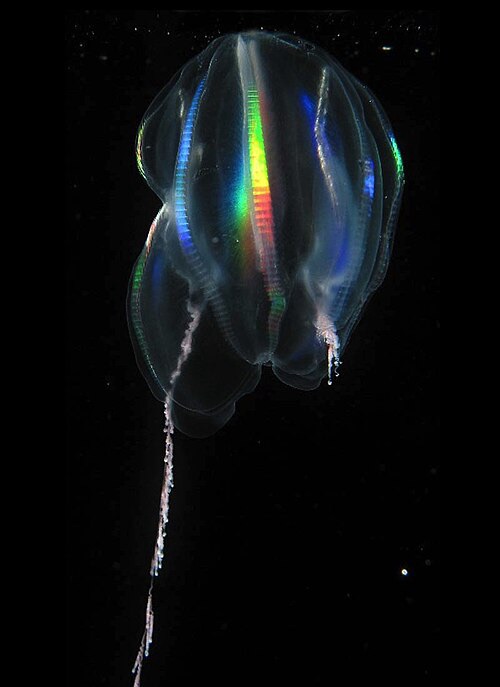
- Biradial symmetry has the saggital and transverse axes in addition to the anteroposterior axis. These axes form right angles with each other. With these additional pair of axes, biradial animals have two symmetrical sides. An example includes comb jellies.
Bilateral Symmetry

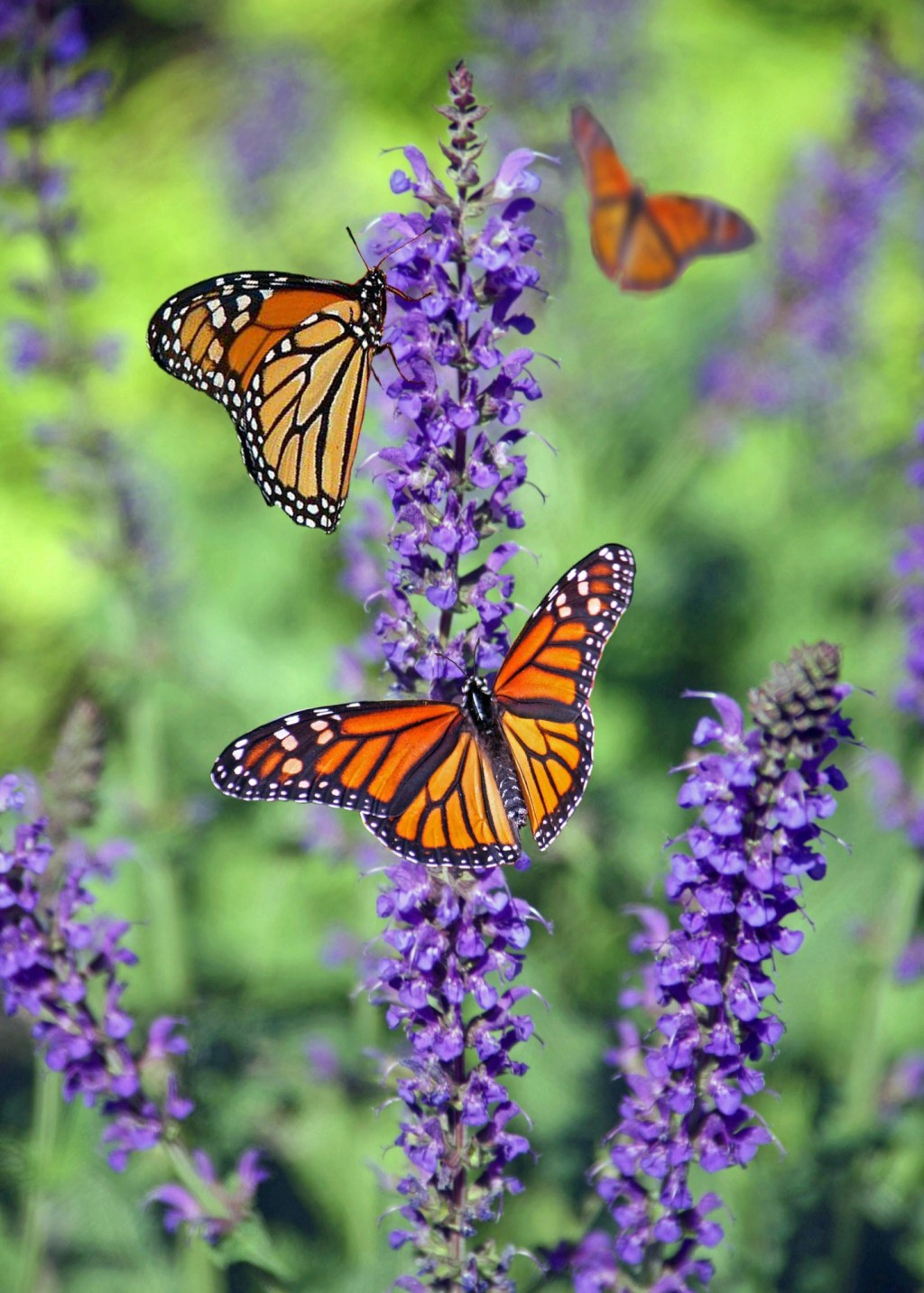
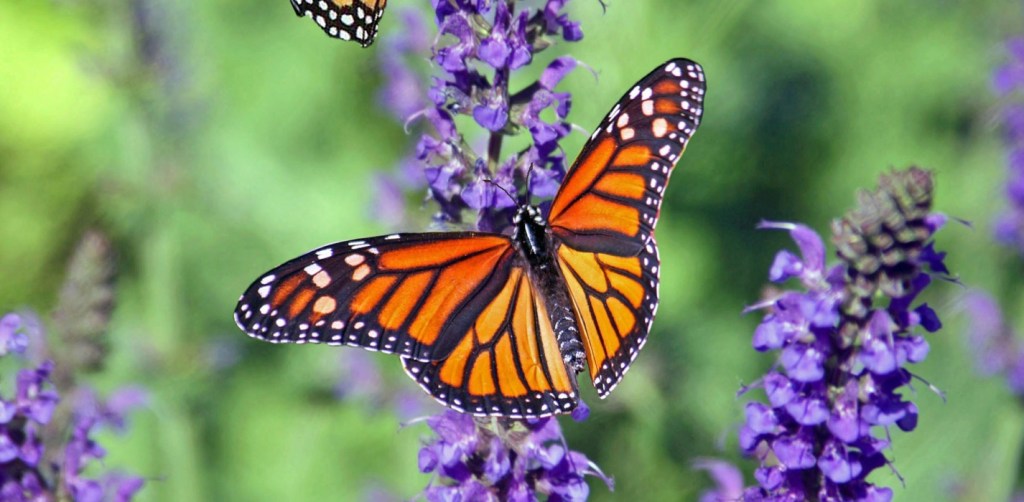
- Bilateral symmetry has the same three axes a biradial symmetry but same only one symmetrical side. The one plane of division will cut the animal into symmetrical halves. This type of symmetry is seen in mammals, fishes, insects, etc.,
So, why do most organisms display some sort of external, observable symmetry?
Current theories suggest that these symmetries have been evolutionarily developed, but the specific forms of symmetrical adaptations arose by chance than out of necessity.
Scientist Gábor Holió argues that the animal symmetry is a “necessary product of evolution.” In addition to the change in gene regulatory networks, or the transcription factors and epigenetic factors that regulate how much genes are expressed, mechanical forces such as the physical environment with which the organism interacts, influence symmetry as a “guiding factor” that impacts how molecules and cells act during the formation of tissues or the functioning of anatomical constructions. https://pmc.ncbi.nlm.nih.gov/articles/PMC5436448/
So then, why do we need asymmetry?
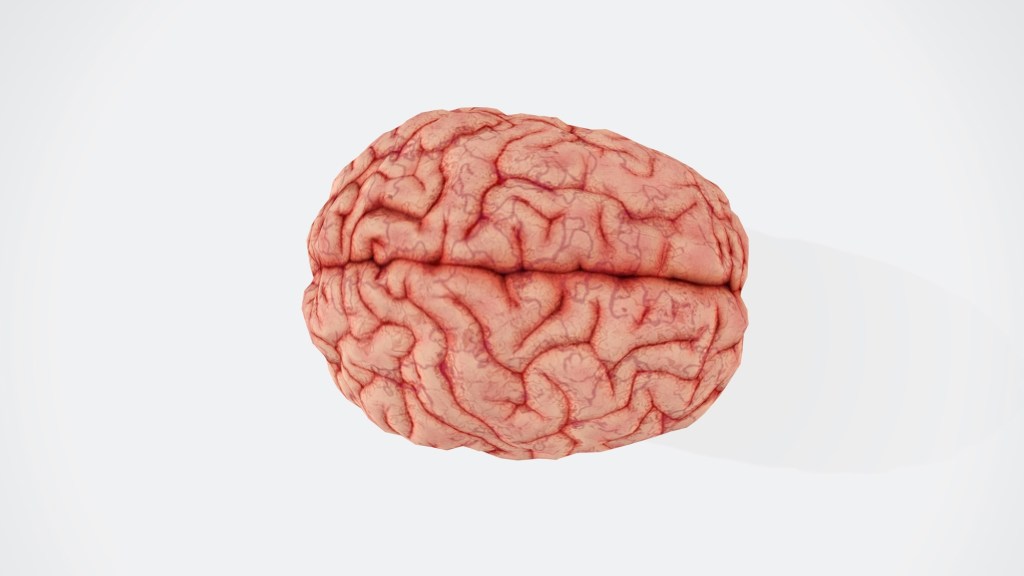
However, it has been observed that in more complex biological organisms, there is an “evolutionary pressure” to develop asymmetry as well.
According to a study by Ocklenburg and Mundorf, the asymmetrical left-right structures and functions of the complex and energy-exhaustive human brain provides advantages in that it is a more energy-efficient configuration that avoids redundancy of processing units and increases efficacy of action control. They note that many neurodevelopmental and psychiatric disorders have shown association with some sort of breakage or decrease of the brain’s asymmetries. https://pmc.ncbi.nlm.nih.gov/articles/PMC9282387/
Why does this all matter? Why should we continue our studies of (a)symmetry?
The study of symmetry and asymmetry in scientific processes helps us further understand how this comparative, relative link between the chemical and biological structures of nature affect our metabolic processes and interactions with the environment. By observing our symmetry and asymmetry, it can help us predict and understand how biological structures adapt over time to changes in the environment. For instance, in the presence of viruses and diseases, the breakage of symmetry by gene expression mutations or histological adjustments in the structure of our tissues can be used as biomarkers for disease prediction. https://pmc.ncbi.nlm.nih.gov/articles/PMC11838231/ Or the other way around, as suggested from Ocklenburg and Mundorf’s study, the breakage of asymmetry of the brain can be used to study and and find hidden structural and functional patterns behind neurodevelopmental disorders.
 Scientific Narrative
Leave a comment