Did you know that wanting is different from liking?
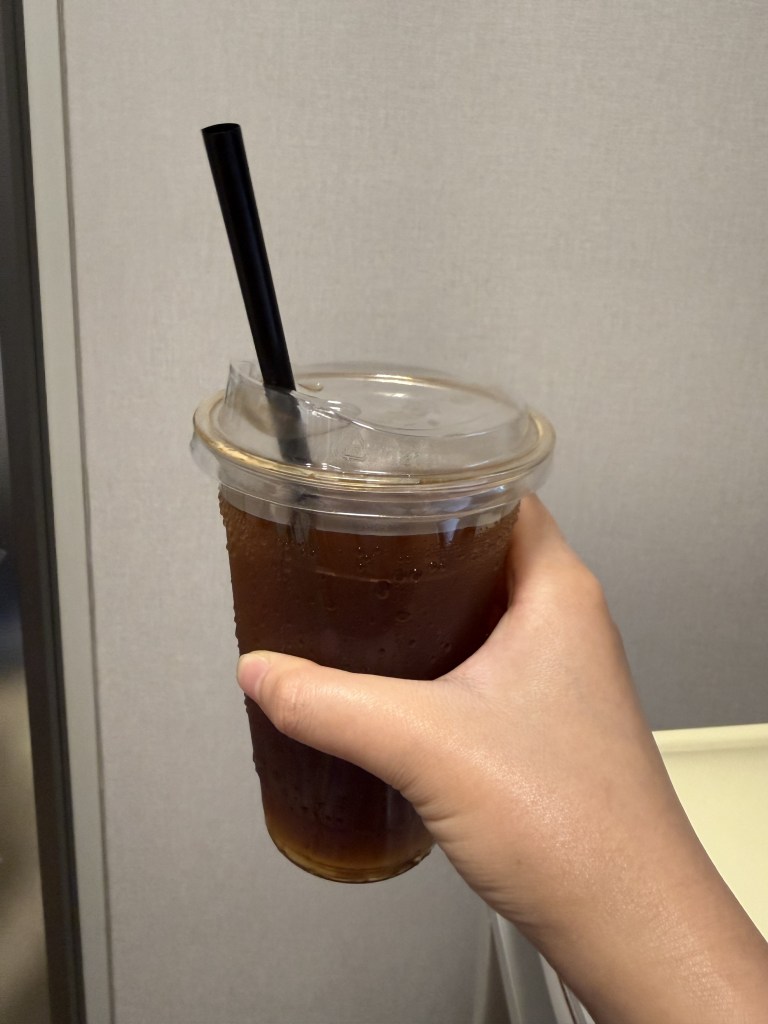
The brain mechanism behind why I like my $7 iced coffee is different from why I want it every single morning.
In other words, the anticipation that builds when I think of sipping my coffee is different from the actual joy I feel when I finally taste it.
Wanting and liking are separate processes involving overlapping yet distinct neural systems.
The theory of incentive salience posits that our brain assigns motivational value to rewards such as food, water, and sex.
Dopamine, also called the brain’s motivation molecule, plays a major role in wanting. When dopamine signaling increases in the nucleus accumbens, it helps create the excitement and motivation to chase the reward.
In addiction, the wanting system can go into overdrive, while the liking system becomes less responsive.
Liking is the immediate pleasure felt when we finally get to experience the reward.
It involves a different set of neurochemicals including opioids. Opioid signaling in tiny regions within the brain, such as the nucleus accumbens and ventral pallidum, creates hedonic hotspots. When we experience a reward, these hedonic hotspots “get hot”, and feel-good pleasure kicks in.
Works Cited
https://sites.lsa.umich.edu/berridge-lab/research-overview/neuroscience-of-linking-and-wanting/
 Scientific Narrative
Leave a comment